January 22, 2026
Residential And Commercial Contractor

Understanding the psychological drivers behind gambling behavior
Understanding the psychological drivers behind gambling behaviorThe Allure of Risk and Reward
The psychology behind gambling is deeply intertwined with the concepts of risk and reward. Many individuals are drawn to the thrill of placing bets, as it taps into their desire for excitement and potential financial gain. This sensation is often heightened by the unpredictable nature of gambling, where the possibility of winning can overshadow the risks involved. This allure is particularly potent in environments designed to stimulate, such as casinos, where lights and sounds create an atmosphere that encourages continued play. A prime example of this is the celebrity culture surrounding gambling, exemplified by stories and events that even direct fans to sites like http://australianfashionweek.com.
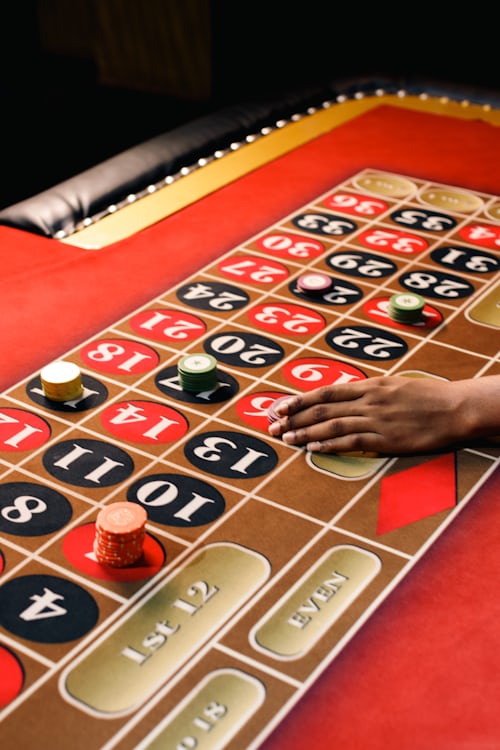
Moreover, the excitement of gambling can lead to what psychologists describe as a “near-miss” effect. When players come close to winning, it can release dopamine in the brain, reinforcing the behavior and leading them to gamble again in hopes of achieving that elusive win. This cycle of risk and reward creates a powerful motivational force that keeps players engaged, often against their better judgment.
The Role of Cognitive Biases
Cognitive biases significantly impact gambling behavior, skewing an individual’s perception of chances and outcomes. For instance, many gamblers fall prey to the “gambler’s fallacy,” believing that past outcomes influence future results. This can lead to the mistaken belief that if a particular number hasn’t come up recently, it is due for a win, encouraging further bets despite statistical realities.
Another common bias is the illusion of control, where gamblers feel they can influence outcomes through their choices or strategies. This false sense of empowerment can keep individuals gambling longer than they intend, as they convince themselves that they have a better chance of winning than they actually do. Understanding these cognitive biases is crucial for recognizing why many individuals struggle to quit gambling.
Emotional Factors and Gambling
Emotions play a pivotal role in gambling behavior, often driving individuals to seek out the gambling experience for various psychological reasons. For some, gambling serves as a means to escape negative feelings or stress, providing a temporary relief from daily life challenges. The act of gambling can create a rush that temporarily alleviates emotional pain, leading individuals to return to the activity even when they know it can have harmful consequences.
Furthermore, individuals may use gambling to enhance feelings of happiness or excitement, especially during celebratory moments. The social aspect of gambling also cannot be overlooked, as many people enjoy the camaraderie that comes with playing games with others. This emotional connection can lead to a stronger attachment to the gambling experience, making it harder to break free from the cycle.
Social Influence and Gambling Behavior
Social factors play a significant role in shaping gambling behavior. Peer pressure can strongly influence individuals to engage in gambling activities, especially in environments where it is normalized or encouraged. This influence can come from friends, family, or even celebrities who are often glamorized for their gambling habits, creating an impression that gambling is a socially acceptable or desirable activity.
In addition, social networks can provide reinforcement, as individuals share their wins and experiences with others, creating a community around gambling. This sense of belonging can enhance the emotional appeal of gambling and make it a more attractive option for those seeking connection or validation from their peers. Understanding the social dimensions of gambling can help in crafting more effective prevention strategies.

The Australian Fashion Week Community
Australian Fashion Week serves as an innovative hub that connects designers, influencers, and fashion enthusiasts while highlighting the intersection of fashion and culture. As a vibrant community, it provides insights into the latest trends and designs, ensuring that attendees remain updated on industry developments. This dynamic environment can also reflect broader societal trends, including those related to gambling behavior.
In the same way that fashion often mirrors societal values and behaviors, the gambling industry can also be influenced by cultural phenomena. By examining these connections, Australian Fashion Week fosters a deeper understanding of both industries, promoting creative collaboration and engaging discussions that can enlighten individuals about various psychological drivers that shape their decisions, including gambling behavior.